It’s All Good in the Woods Embroidery Design Review
As a designer and product reviewer who works regularly with machine embroidery designs, I’ve seen my fair share of digital files. Some are just okay, while others truly elevate a project. “It’s All Good in the Woods” caught my eye for its unique blend of typographic styles and thoughtful details. Let me walk you through what this design offers and how it might fit into your next real-world embroidery project.
A Natural Harmony of Style and Substance
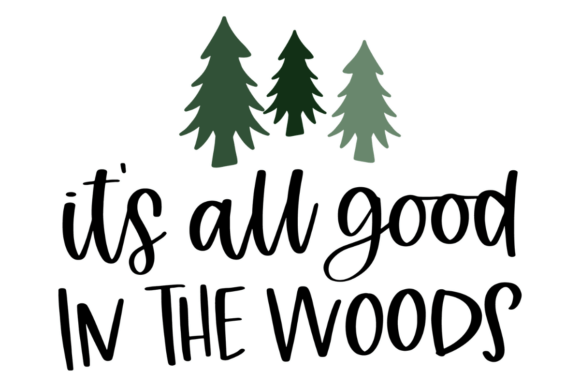
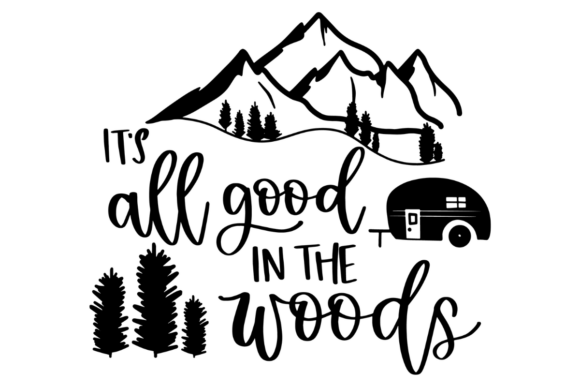
The first thing that stands out about “It’s All Good in the Woods” is its visual balance. It combines clean block lettering with elegant hand-written script, creating a warm and inviting feel. The layout is well-structured, with generous spacing between letters and elements that gives it a breathable, organic look. This kind of typography often leans too casual or too formal, but here it hits a sweet spot — perfect for handmade products that want to convey both personality and professionalism.
I imagine this design working especially well on items like custom sweatshirts, tote bags, or even nursery decor. The theme feels grounded in nature, which makes it ideal for seasonal collections or eco-conscious brands. When reviewing an embroidery file, I always look for how it translates from screen to fabric, and this one has a strong presence without being overwhelming.
Typographic Appeal Meets Practical Stitching
One of the key strengths of this design is its adaptability. The mix of block and script fonts allows for creative flexibility in placement and sizing. For example, if you’re making personalized gifts like baby onesies or holiday towels, the legibility of the block text ensures the message remains clear, while the script adds a touch of charm.
When testing sweatshirt embroidery, I found that the stitching held up well on medium-weight cotton blends, maintaining shape and clarity. However, I noticed that the decorative accents around the text could become slightly less defined when stitched onto stretchier materials. That said, with the right stabilizer and careful adjustment of stitch density, it can still deliver excellent results.
Real-Life Use Cases and Considerations
- Tote Bag Design: The phrase “It’s All Good in the Woods” feels at home on a canvas tote bag. The font size and style allow it to be read easily from a distance, making it great for branding or promotional use. Just make sure to leave enough space at the top of the bag for grommets or handles.
- Custom Apparel: On t-shirts or hoodies, the design reads nicely as long as the hoop size is sufficient. If you're using a smaller hoop, consider cropping or resizing carefully to avoid losing the delicate script elements.
- Baby Clothes and Nursery Decor: The gentle curves and soft script lend themselves well to baby-related items. Think embroidered onesies, bibs, or pillow covers. But be cautious with very thin fabrics — some of the fill areas may require reinforcement to prevent puckering.
- Embroidered Patches: As an applique design, this works beautifully on denim jackets, backpacks, or felt patches. The layered elements add dimension and texture, especially when paired with contrasting thread colors.
- Commercial Projects: Whether you're producing for a small shop or listing on Etsy, this design has a professional edge. Its cohesive look supports brand consistency, and the nature theme aligns with many current market trends.
Where Caution Is Key
While this embroidery file is versatile, there are certain situations where extra attention is needed:
- Small Hoop Sizes: The intricate script elements may get lost if the design is forced into a compact area. Always check the recommended hoop size before proceeding.
- Textured Fabrics: On flannel, linen, or other napped or woven materials, the fine lines of the script can become less distinct. A light backing stabilizer helps maintain sharpness.
- Dense Stitch Areas: The design uses a combination of satin stitch and fill stitch. In some sections, particularly the leaf-like accents, the stitch density is high. If you're using a machine with limited power or a thinner material, this could lead to distortion. Testing on scrap fabric is essential.
- Dark Fabric Backgrounds: The contrast is best on lighter-colored fabrics. On darker tones, the thread colors provided may not pop as intended. I recommend checking a black and white mockup or considering alternative thread shades for better visibility.
- Curved Surfaces: If you're planning to stitch this onto a cap or hat, the curvature will affect the final appearance. Resizing the design and adjusting the stitch direction accordingly is necessary to keep it looking balanced.
Design Impact on Product Value and Customer Perception
From a practical standpoint, “It’s All Good in the Woods” adds value to any craft business item. Its natural aesthetic appeals to customers who appreciate handmade and artisanal goods. It’s also highly giftable — whether as a holiday decoration or a personalized keepsake, it brings a sense of calm and nostalgia.
What sets this apart is how it enhances the handmade presentation of a product. Even mass-produced items benefit from the personal touch this design provides. For Etsy sellers and boutique owners, it’s a subtle yet effective way to stand out without overcomplicating the visual language of their merchandise.
Customer trust is another factor worth noting. Designs that look polished and intentional tend to reflect more professionalism, which is crucial for those selling finished products online. Buyers engage more with items that have a clear story — and this design tells one of peace, nature, and mindfulness.
Designer Notes: What to Check Before You Stitch
Before incorporating this design into your workflow, here are a few things to verify:
- Test on Scrap Fabric: Especially important if you plan to use it on stretchy or thin materials. Observe how the stitch density affects the integrity of the fabric.
- Review Thread Color Contrast: The description doesn’t specify thread color choices, so test different palettes to ensure the message remains legible and visually appealing.
- Inspect Small Details: The decorative accents are delicate. Make sure your machine can handle them without skipping stitches or distorting the image.
- Use Proper Stabilizer: Depending on the fabric type, a tear-away or cut-away stabilizer may be necessary to prevent shifting during stitching.
- Confirm Licensing: Since this is a digital embroidery file, always double-check the licensing terms if you intend to use it for commercial projects or resell the design itself.
Final Thoughts for Creative Entrepreneurs
“It’s All Good in the Woods” isn’t just another trendy phrase — it’s a design that carries intention and versatility. Whether you're running a small shop product line or creating a batch of personalized gifts, this embroidery project has the potential to resonate with buyers looking for something meaningful and stylish.
For crafters and hobbyists, it’s a great addition to your design library. It works well in both large and small formats, and its nature-inspired vibe fits perfectly with autumn, winter, or woodland-themed collections.
That said, every design has its limitations. Be mindful of design assets that need frequent washing, like aprons or tea towels. While the design looks good initially, repeated laundering can cause thread fraying in dense stitch areas unless properly reinforced.
If you're thinking of using this in a printable mockup or preview for digital sales, the layout holds up well in flat images. Just make sure to show it on a variety of fabric types to give buyers a realistic idea of how it will look after stitching.
In summary, “It’s All Good in the Woods” is a solid choice for a wide range of applications. With the right preparation and adjustments, it can become a signature element in your handmade product lineup — boosting recognition, customer engagement, and overall professionalism in your work.